
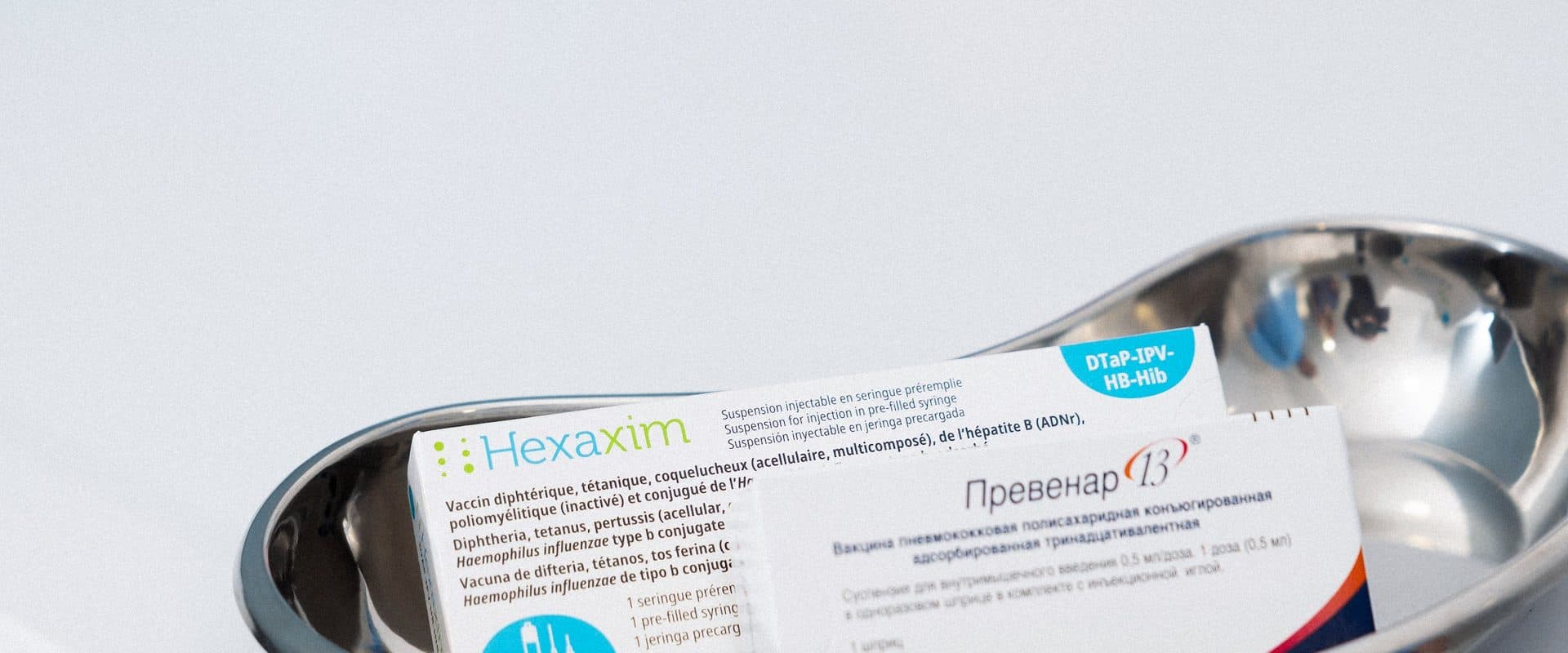
Vaccination
WHO AND WHEN NEEDS VACCINATION
We help children and adults safely undergo vaccination according to the calendar or individual schedule
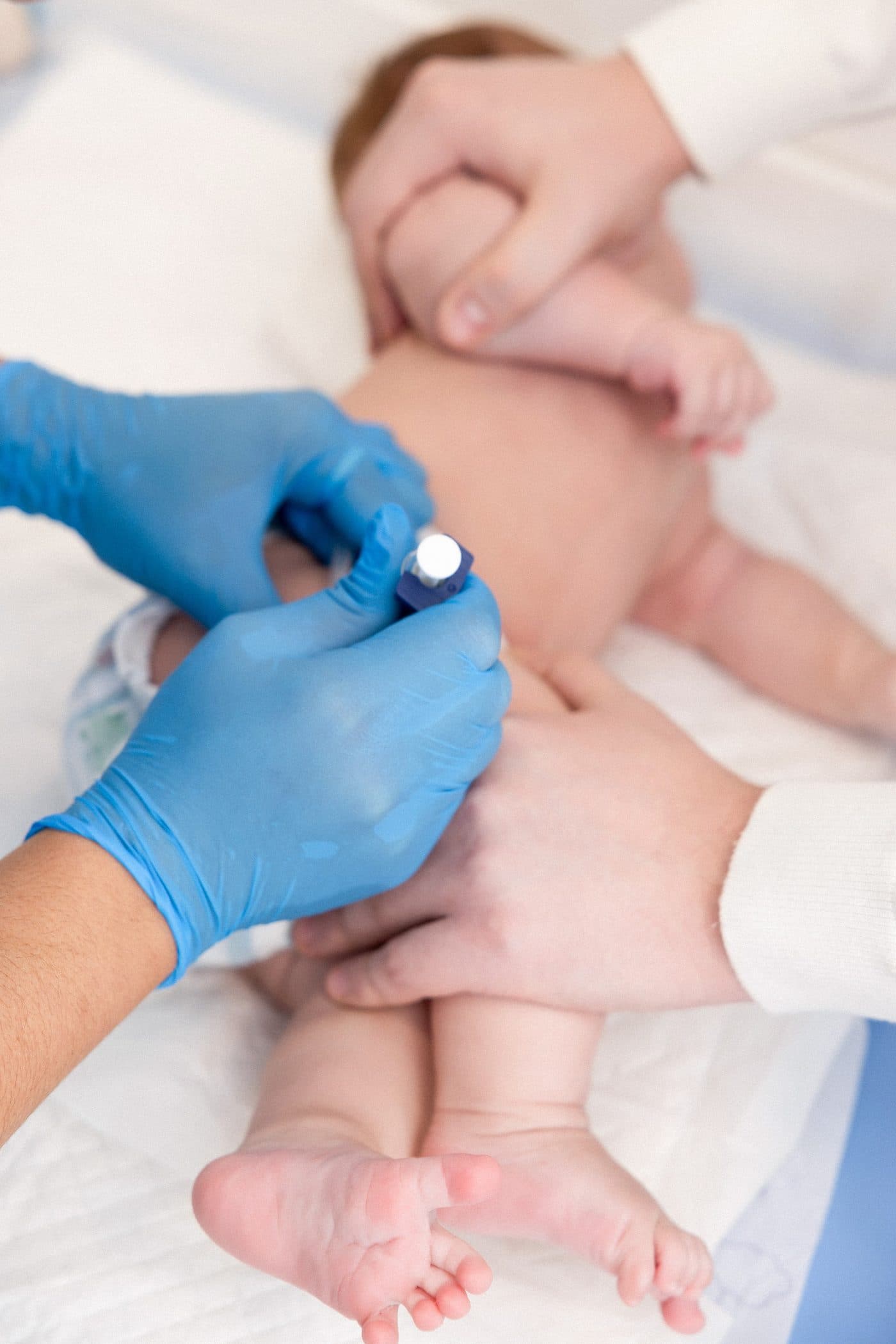
How to prepare for vaccination
- Avoid intense physical activity for 24 hours before the visit.
- If you have a chronic condition, bring your recent test results.
- Come without signs of acute illness.
- For children, choose a calm day without stress or fatigue.
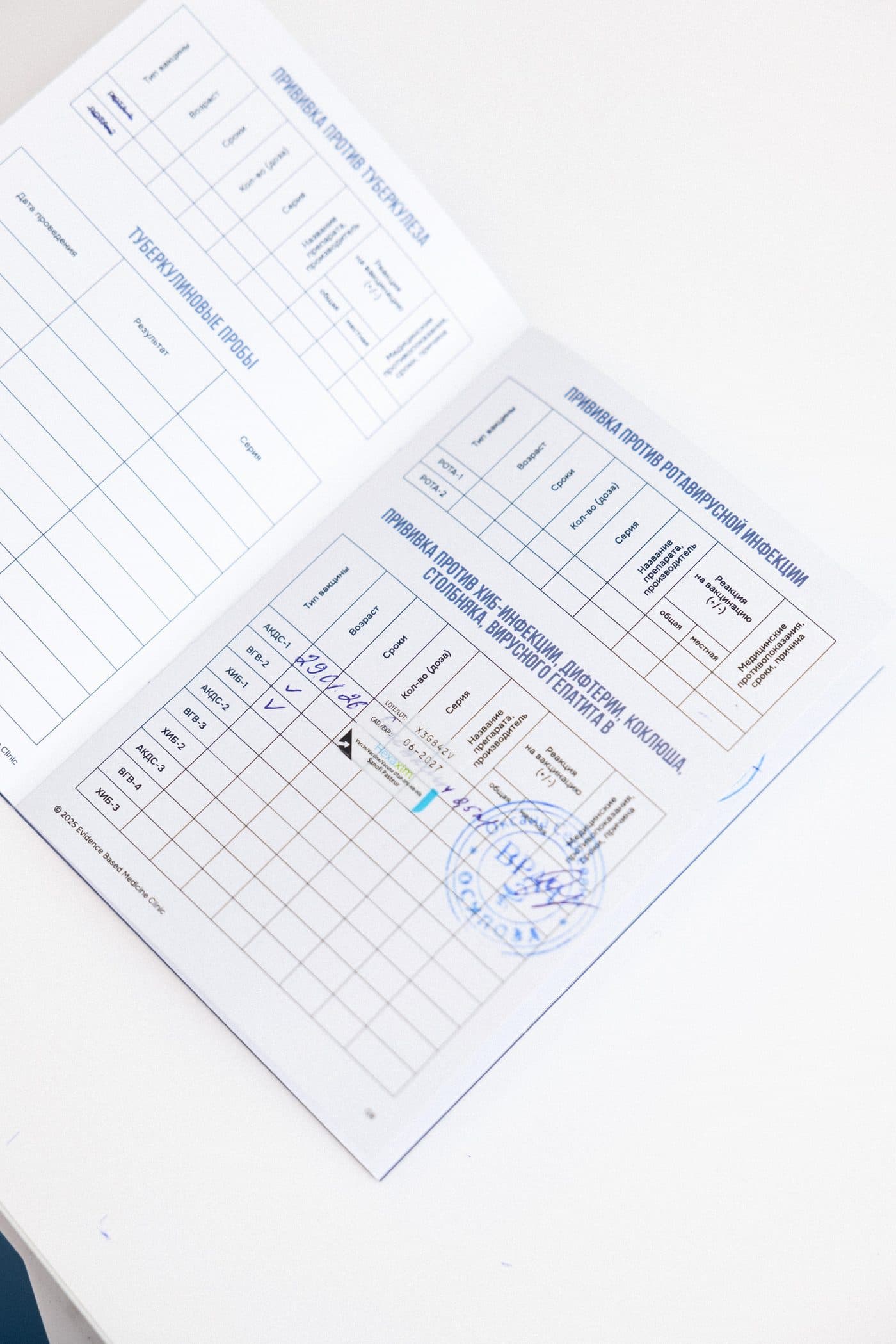
Normal reactions after vaccination
- Mild soreness or a lump at the injection site.
- Short-term weakness or drowsiness.
- A slight rise in temperature.
- Children may have a reduced appetite.
These reactions usually pass on their own within 1–3 days. We are always in touch to support you and answer any questions.
FAQ
A mild cold (ARVI) or an acute intestinal infection is not a contraindication to vaccination. The vaccine can be given as soon as the temperature returns to normal, but unless it is urgent, it is best to wait until the contagious period is over so that other patients do not catch the infection.
After moderate to severe infections (chickenpox, flu), inactivated vaccines and live oral vaccines can be given right after recovery. Before live injectable vaccines, however, it is worth taking a break — one month is enough; otherwise, earlier vaccination may be less effective.
Yes — and it is even recommended. Combination vaccines reduce the number of injections and the stress of vaccination. The immune “load” from several vaccines in one day is roughly equal to that of a common cold. The human immune system easily copes with it.
Most vaccines are inactivated, and a vaccinated person has no effect on others. Some vaccines contain live weakened pathogens that a vaccinated person may shed into the environment. These weakened pathogens are harmless to the vast majority of people, but in some situations caution is needed. The most restrictions apply to the live oral polio vaccine (OPV), because a vaccinated person sheds the vaccine virus for 60 days.
Normal vaccine reactions, which may occur in about 10% of children, include fever; local reactions (redness, swelling); mood changes, fussiness, tearfulness and loss of appetite.
After live injectable vaccines (measles-mumps-rubella, chickenpox), reactions are delayed and appear 1–2 weeks after vaccination.
There are also rarer reactions to live vaccines. Within the same period, depending on the vaccine, a rash, swollen salivary glands, a mild cough, a scratchy throat or a slight runny nose may appear (mild symptoms of the disease the vaccine protects against).
These conditions require no special treatment. Symptoms can be relieved with age-appropriate doses of fever reducers or pain relievers.
BOOK AN APPOINTMENT
Fill out the form and we will contact you soonBy clicking "Submit request", you accept the terms of the public offer and agree to the processing of personal data